 PinoyRemote

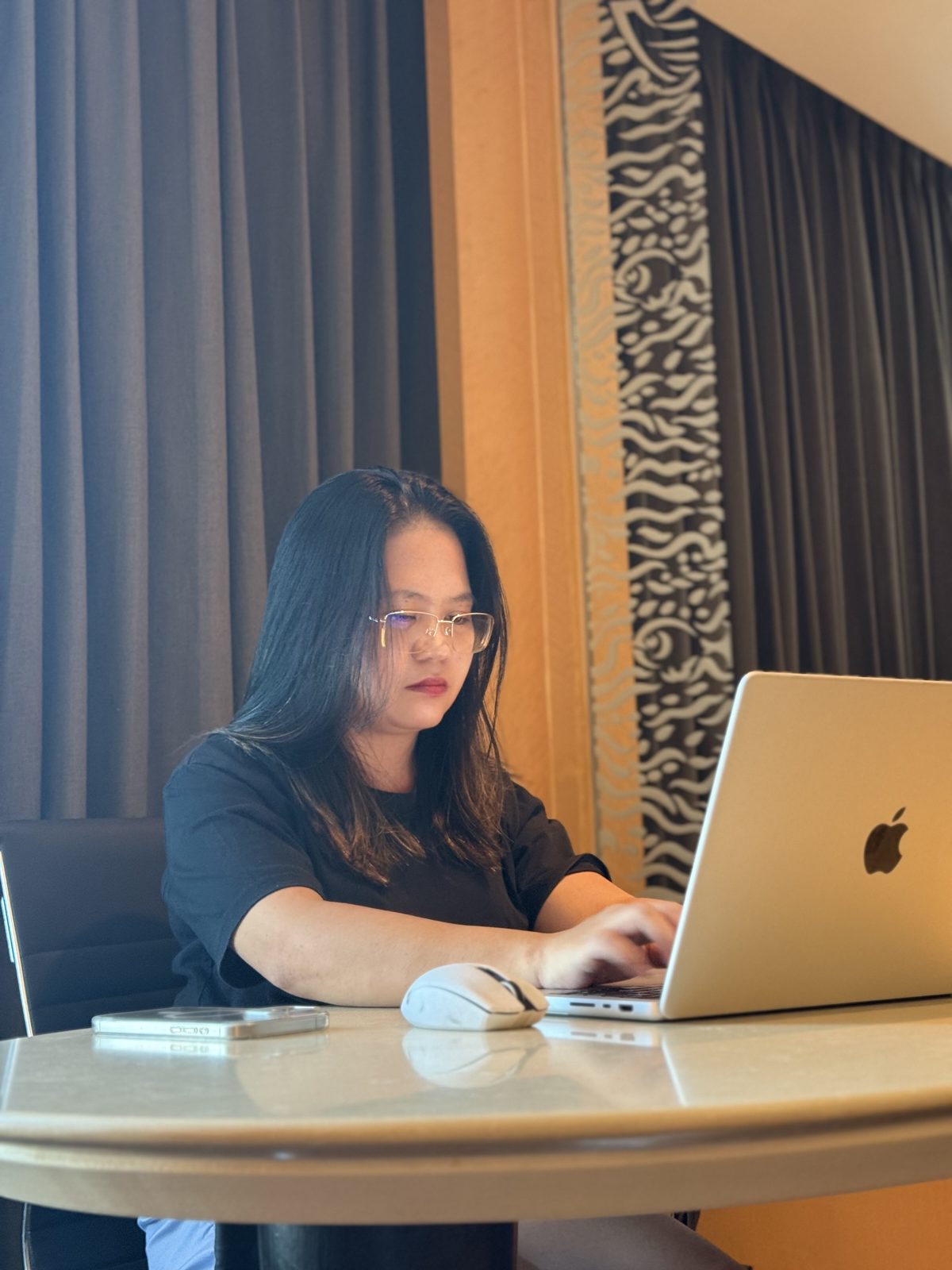
Start with one task you can learn and practice. Build a sample, check your work, and get comfortable explaining how you did it. That gives you something to show when you send proposals for your first VA role.
Choose learning resources that help you practice the work. Set aside time to study and plan for access to a suitable device and internet connection.
Why I paid for a course
I found the term “virtual assistant” while looking for extra income after my corporate job. I usually worked from 7 AM to around 7 PM, then researched when I got home. I spent about three days watching YouTube videos about VA work.
Around late 2019 or 2020, I paid ₱700 for an online course. I even used my lunch break to go to the bank and transfer the payment because I didn’t know how to use online banking yet.
I studied after work. Shopify was the first thing I learned, and I really enjoyed it. I went on to learn Liquid so I could edit themes, and continued learning from free YouTube videos.
That course was a stepping stone for me. I think paying for a useful course can be worthwhile when it helps you learn the work you want to do. Look at what it teaches, the practice or support included, and whether the cost fits your budget.
Choose a task before choosing a course
“Virtual assistant” can cover very different responsibilities. Read a few current job posts and choose one kind of output you want to learn how to produce.
| Starting direction | Practice task | What your sample should demonstrate |
|---|---|---|
| Internet research | Compare five providers using their official websites | Accurate facts, source links and clearly marked missing information |
| Document support | Turn rough demo notes into a short, organized document | Readable structure, consistent formatting and no lost instructions |
| Scheduling support | Prepare a proposed meeting schedule from a demo brief | Correct dates, time zones and availability, with conflicts flagged |
Choose a practice task that fits your equipment and the roles you want to send proposals for.
Experience from school, office work, customer service or helping a business can be relevant. Describe the task, where you did it and what you were responsible for.
5 tanong bago ka magbayad ng VA course
A course can help when it teaches one task you want to do, shows you its lessons first, and fits your budget. Ask these 5 questions before you pay. Free lessons are a good first step.
1. Anong task ang matututunan ko?
Ask for the module list in plain words. Each module should lead to work you can show, like the practice tasks in the table above. If the list doesn’t match the task you picked, keep looking.
2. Pwede ko bang makita ang laman bago magbayad?
Ask for a sample lesson or the full outline before you pay. One buyer paid ₱2,999 for coaching promised as live sessions and got recordings (Reddit, June 2026).
3. Sino ang magche-check ng gawa ko, at gaano kabilis sumagot?
Ask who reviews your practice work and how soon questions get answered. One buyer of a ₱1,499 course waited 5 days for answers after the training ended (Reddit, July 2025).
4. Akin ba ang files pagkatapos?
Ask if you can download the lessons, or get the access period in writing. In that same course, a student said the “lifetime access” files shared through Google Drive stopped opening.
5. May pangakong client o kita ba?
Treat a guaranteed client or guaranteed income as a red flag. When someone asked about a ₱1,500 “training plus direct client” offer in August 2026, the replies called it a scam. The VA job-scam guide lists more warning signs.
Kung may countdown o “last seats”
Slow down. A countdown timer, a “last seats” notice or a long bonus list is a reason to take more time. Screenshot the price, what’s included and the refund rule, then decide on your own schedule.
My ₱700 course was a stepping stone, and I continued learning from free YouTube videos. The free lessons below are a good place to start.
Use free lessons to finish a specific output
Open the tool while you follow a tutorial. Then try the task on your own and note which steps you need to practice again.
| Resource | What to practice |
|---|---|
| Google Sheets training and help | Enter and format information, organize a comparison and check the rows |
| Google Docs training and help | Turn demo notes into a readable document and learn how sharing works |
| Google Calendar training and help | Create private practice events and check the dates and time zones before sending real invitations |
These Google help guides are free to read. Some business features depend on your account or plan. For any course you consider, check the enrollment cost, access period and certificate requirements.
If your sample is a research spreadsheet, start with Sheets. Learn another tool when you need it for the work.
Build one sample that someone can inspect
For an internet-research sample, try this demo brief:
Find five coworking spaces in one city. Compare the day-pass price, published opening hours and whether booking is required. Use each provider’s official website. Mark unpublished details as “not found.”
For this practice brief, create columns for the provider, day-pass price and currency, opening hours, booking requirement, source URL, date checked and any uncertainty.
Before sharing it, check:
- Does each price cover a day pass?
- Are opening hours for the location you selected?
- Does each source link open the page supporting that row?
- Are missing details clearly marked?
- Are the column headings easy to understand?
Label the piece practice sample. Add a short note explaining the brief, how you checked the information and what remains uncertain.
For a public portfolio, use demo data or appropriate public information. Do not copy a client’s customer list, inbox or internal document into a sample. Set the intended viewing permission and test the link before including it in a proposal. Google’s file-sharing guidance
What I did for my first research client
I got my first client through OnlineJobs.ph. They needed an internet researcher. I had started by learning Shopify, so this was a different kind of task.
The instructions covered about five topics and were vague. I asked in the course group, but the answers were also general, along the lines of “the internet is your best friend.” I still had to work out how to approach the task.
I researched the topics and organized what I found in Google Docs. Hindi ako sure kung yun na yung gusto niya. I focused on making the information useful and submitted it open to feedback. The client said it was exactly what they needed.
I didn’t have AI assistance then. I worked through the research myself. For your own practice, choose a small brief, organize what you find, and explain the result clearly enough for someone else to review.
Make your profile specific and accurate
Your profile should help someone understand what you can do now. Include the task you offer, the tools you can actually use, your relevant background, your availability and a link to your sample.
Here is a sample introduction to adapt only if it is true for you:
“I’m building my experience in online research and spreadsheet support. My practice sample compares five providers using official sources, with links and missing information clearly marked. I can help with [tasks you can deliver], and I’m available [your actual schedule].”
List the tools you can use and be ready to demonstrate them. Walk through your sample and explain a decision you made, such as why you marked a price as unclear.
A straightforward document or portfolio folder works for sharing your first sample.
Send proposals where the work matches your sample
OnlineJobs.ph currently offers a free jobseeker account for Filipino workers. Other platforms have different ways of finding work and different costs. The OnlineJobs.ph, Upwork and Fiverr comparison can help you choose where to focus.
Read the responsibilities, required skills, schedule, time zone, equipment and proposal instructions for each role, including those labeled “beginner.”
Send the sample that is closest to the work. For example:
“Your post asks for [specific output]. Here is a practice sample showing how I researched and organized similar information: [link]. I included the sources and flagged details that need confirmation. I’m available [schedule]. Could you clarify [one relevant detail missing from the post]?”
Keep the practice label when sharing your sample. If an employer requests an assessment, clarify the scope and whether it is paid. If the task grows, agree on the extra work and payment before continuing.
Tell people you know what kind of work you’re looking for. When someone refers you, check the client and agree on the work as you would with any new contact.
Check the arrangement before saying yes
Before accepting, understand the tasks, expected hours, rate, payment schedule, payment method and what counts as extra work. Use the beginner VA rate guide to work out the numbers for your own arrangement.
Test whether your setup can handle the role’s files, tools and calls. Use the actual equipment requirements to decide whether you need an upgrade.
Verify who you are dealing with. Do not pay a supposed employer to unlock a job or release your earnings. Keep platform communication and payment rules in mind, and do not send unnecessary identity documents through an unverified chat. The US Federal Trade Commission’s job-scam guidance explains common patterns, including paying for a promised job. For a step-by-step offer check, read the VA job-scam guide for the Philippines.
How do you get your first VA client? Your step-by-step path
Work through five steps in order: build one sample, set up one profile, plan your proposals, send proposals where the work matches your sample, and agree on the work before you start. Each step has its own guide, so open only the one you need next.
| Step | What to do |
|---|---|
| 1. Build one sample | Make one practice sample for one task and label it as practice. The VA portfolio guide shows how. |
| 2. Set up one profile | Use the OnlineJobs.ph profile tips or the Upwork profile guide for VAs with no clients yet. |
| 3. Plan your proposals | Check what each proposal uses: OnlineJobs.ph points or Upwork Connects. |
| 4. Send matched proposals | Send proposals where the work matches your sample. Start from these Upwork proposal templates, or offer one small service in the Upwork Project Catalog. |
| 5. Agree before you start | Confirm the tasks, rate, payment schedule and payment method. A paid trial keeps the first task small and clear. |
I got my first client through OnlineJobs.ph, as I shared above. For a first proposal, my advice is to show real enthusiasm and eagerness to learn without sounding like you’re begging.
Before the first payment, know how you’ll receive it. Now I receive client payments through fintech accounts like Currenxie and WorldFirst, then withdraw to GCash. Transfers under about ₱50,000 arrive almost instantly. The payment guide for Filipino freelancers compares the common options.
Want to reach clients outside job boards too? Read LinkedIn for Filipino VAs or how to find Australian clients.
A flexible first month of practice
Use this sample learning plan to organize your practice. Adjust the pace around your responsibilities and move to the next stage when you can complete the work.
| Stage | Focus | What to have before moving on |
|---|---|---|
| Week 1 | Choose one task and learn the relevant basics | A small task you can complete and explain |
| Week 2 | Build and check a practice sample | An accessible sample, a clear brief and notes on your checks |
| Week 3 | Prepare your profile and send proposals to suitable roles | Proposals tied to actual requirements, with samples labeled clearly |
| Week 4 | Review what happened | A specific change to your sample, proposal or target roles |
If you’re getting no replies, check how closely your proposals match the roles. If you get interviews and struggle to explain your sample, practice walking through it. Give yourself more time on the parts that need work.
Common beginner questions
Do I need a college degree?
Each role has its own education and experience requirements. Read the listing, check whether you meet them, and prepare examples of your relevant skills.
Do I need AI tools before I send proposals?
Check which tools the role requires. If you use AI to help draft or organize practice work, review the output and make sure you can explain it. Get the client’s authorization before putting confidential information into a tool.
Legit ba ang VA course?
Many VA courses teach useful skills, and some sell promises they can’t keep. Check any course with the 5 questions above: what task it teaches, whether you can see the content first, who reviews your work, whether you keep the files, and whether it promises clients or income.
May libreng VA training ba?
Yes. The Google Sheets, Docs and Calendar training guides linked above are free to read. Practice with a small brief and build one sample, then decide whether a paid course would fill a gap.
How do I get my first VA client?
Build one practice sample, set up one specific profile, check what each proposal uses, send proposals where the work matches your sample, and agree on the tasks, rate and payment method before you start. The step-by-step path above links a guide for each step.
Your next step
Choose one task and write a small practice brief. Complete it, check it and explain what you did. Then use that sample in proposals for work that genuinely fits.
Kung may kulang pa, practice that part first. The goal is to give a potential client a clear, real reason to consider you.
Want a free list to work through first? The free VA Starter Checklist covers what to prepare before you send your first proposal.
For a calmer, more organized start to your first proposals, the ₱299 VA Starter Kit includes a portfolio template, proposal messages and a client outreach tracker. Before you buy, its See exactly what’s inside before you buy section shows real pages from the kit. You can use the free practice plan above on its own too.