 PinoyRemote

The right AI tools for virtual assistants Philippines VAs adopt in 2026 can save you hours every single week. When I started as a VA in 2020, tools like ChatGPT did not exist yet. I wrote every Shopify product description manually, one by one, and did product research the slow way. So when people say AI is cheating, I always smile a little, kasi I know exactly how much time the manual version costs.
This guide covers the AI tools for virtual assistants in the Philippines that are actually worth learning in 2026: AI assistants for writing and thinking, AI note-takers for client calls, AI for social media and design, and AI for research and transcription. For each one, I’ll tell you what the free plan really gives you, what the paid plan costs as of 2026, and how to use it professionally.
One thing before we start. These days I build AI automations on the side while working full-time as a VA, and I use an AI note-taker on my own client calls. So this is not theory for me. AI did not replace my work. It raised its value, and it can do the same for yours.
Key takeaways
- Clients now expect VAs to work with AI. Upwork’s In-Demand Skills 2026 report says demand for top AI-enabled skills more than doubled in 2025, growing 109% year over year.
- You can learn every tool category in this guide for free. ChatGPT, Claude, Gemini, Fathom, Otter, Canva, and Perplexity all have working free plans as of 2026.
- Learn one AI assistant deeply instead of five shallowly. Depth is what clients pay for, not a list of logins.
- AI raises your rate only if you stay in charge: verify every output, protect client data, and never let AI invent facts under your name.
Why should a Filipino virtual assistant learn AI tools in 2026?
Because the clients hiring us have already moved. Upwork’s In-Demand Skills 2026 report, published February 4, 2026, found that demand for top AI-enabled skills more than doubled year over year, with skills for using AI inside existing roles growing 109% in 2025. Some categories exploded even harder: AI video generation and editing grew 329%, and AI integration grew 178%. If that is the specialty you want to build, start with my guide to video editing VA skills, software, and rates. When a client posts a job today, “comfortable with AI tools” is quietly becoming part of the default expectation, the same way “knows Google Sheets” was a few years ago.
Here’s the part that should make you feel better, not worse. The same Upwork report found that demand for human expertise stayed strong across categories, including customer support, the one everyone assumed AI would eat first. Clients are not replacing VAs with AI. They are choosing VAs who can run AI over VAs who cannot. The tool does not get hired. The person who knows how to drive it does.
That is also why AI skills connect directly to your rate. A VA who can turn a one-hour client call into a clean summary in minutes, or draft thirty product descriptions in an afternoon instead of a week, is simply worth more per hour. If you have been thinking about moving from generalist work into a specialty, AI is one of the clearest paths right now, and I broke down that decision in my guide on general VA vs specialized VA in the Philippines.
Practical takeaway: treat AI skills the way you treated your first VA skills. Pick the categories below one at a time, practice on your own tasks first, then put the skill in front of clients.
Which AI assistant should you learn first: ChatGPT, Claude, or Gemini?
Any of the three, as long as you learn one deeply. ChatGPT, Claude, and Gemini all do the core VA jobs well: drafting and polishing client emails, summarizing long documents, writing SOPs, cleaning up spreadsheet formulas, and brainstorming content. The differences matter less than your skill in prompting, giving context, and checking the output.
On pricing, as of 2026 the three look similar at the top and different at the bottom. ChatGPT has a free plan with usage limits, and ChatGPT Plus costs $20 monthly. Claude has a free plan, and Claude Pro costs $20 monthly, or $17 monthly if you pay annually. Gemini’s free tier is generous, and Google restructured its paid AI plans in 2026: Google AI Plus now costs $4.99 monthly, which makes it the cheapest paid plan from a major AI company, while Google AI Pro costs $19.99 monthly. For a lot of us, that $4.99 tier is the most realistic first paid AI subscription, since $20 is already over ₱1,000 a month at any recent exchange rate.
My honest advice: start on the free plans and stay there until a free limit actually blocks paid client work. When I started, I did not even have these options, so believe me, the free tiers today already cover more than what most beginner VA tasks need. What separates you from other VAs is not which subscription you pay for. It is whether your final output is accurate, in the client’s voice, and checked by you before it ships.
Practical takeaway: pick one assistant, use it daily for two weeks on your real tasks, and save your best prompts in a document. That prompt library becomes a genuine work asset you can mention when you reach out to clients.
What is the best AI note-taker for client calls?
For a solo VA, Fathom is the strongest free starting point, with Otter as the main alternative. As of 2026, Fathom’s free plan includes unlimited call recordings, unlimited transcription, and instant AI call summaries across Zoom, Google Meet, and Microsoft Teams, with the fancier summary templates and AI action items limited unless you pay. Fathom Premium costs $20 monthly, or $16 monthly billed annually. Otter’s free plan gives you 300 transcription minutes a month, capped at 30 minutes per conversation, and Otter Pro costs $16.99 monthly, or $8.33 monthly billed annually.
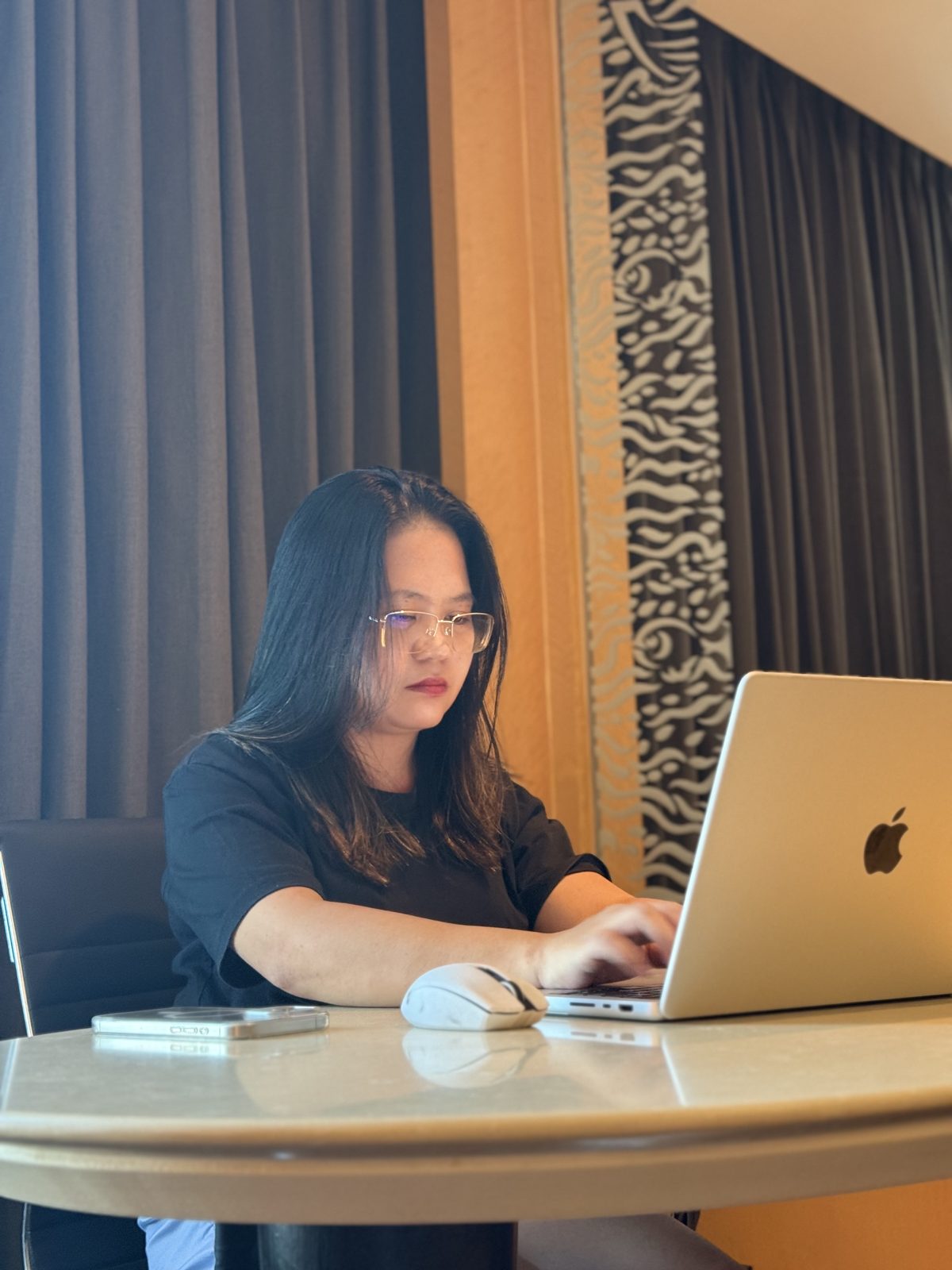
This is the category I can vouch for personally. I’m an introvert, and even after more than five years as a VA, I still get nervous before clicking Join in Google Meet. My answer has always been preparation: a physical notebook and pen, my iPad mini as backup, and an AI note-taker running so the call gets summarized without me scrambling to catch every word. It means I can actually listen to the client instead of splitting my brain between listening and typing. The specific app matters less than the habit: let it capture the details so your full attention stays on the client, then skim the summary afterward to catch anything you missed.
One professional rule that is not optional: ask permission before recording. Tell the client at the start that your note-taker will join or that the call is being recorded for notes. Most clients say yes and many are impressed, but recording someone without consent is how you lose trust, and possibly the client, in one move.
Practical takeaway: set up a free Fathom or Otter account before your next client call, ask permission, then send the client a short recap with action items within the hour. That one habit makes you look more organized than most VAs they have worked with.
How can AI help you with social media and design work?
If you handle social media or basic design for clients, Canva’s Magic Studio is the AI upgrade to a tool you probably already use. Magic Write drafts captions, headlines, and product descriptions inside your design. Magic Design turns a text prompt into a ready template with layout, fonts, and colors. Dream Lab generates images from text prompts when you need a visual that stock photos cannot give you. On the free plan you get a small monthly allowance of these AI generations, enough to practice; Canva Pro, which unlocks heavier use plus the Brand Kit and background remover, costs around $15 monthly as of mid-2026, with the exact peso price shown at checkout.
The workflow gain is real. A social media VA who used to spend a full day making a week of posts can now draft the captions with Magic Write, generate layout options with Magic Design, and spend the saved hours on the part clients actually judge: strategy, scheduling, and engagement. That shift, from doing production manually to managing content with AI assistance, is exactly the kind of thing that justifies a higher monthly package. I covered what that role earns in my guide on the social media manager rate in the Philippines.
Just keep your judgment in the loop. AI-generated captions sound generic straight out of the box, and clients can smell it. Use Magic Write for the first draft, then rewrite it in the client’s actual voice using their past posts as your reference. The draft is AI. The published post should be you.
Practical takeaway: practice by rebuilding one week of a real brand’s content with Magic Studio’s free allowance, then compare your version against their actual posts. That exercise is free training and portfolio material at the same time.
Which AI tools work best for research and transcription?
For research, learn Perplexity. It answers questions with cited sources, so you can click through and verify where each claim came from, which is exactly what client research needs. As of 2026 the free plan includes a limited number of Pro Searches per day, and Perplexity Pro costs $20 monthly or $200 yearly. For transcription of recorded audio and video, Otter’s free 300 monthly minutes cover light work, and your note-taker already transcribes your calls.
I started as a data-entry VA and lead researcher, so hear me on this: the research a client pays for is verified research. AI search tools are a massive head start, pero the citations are the whole point. Open the sources, confirm the numbers, and note where each fact came from before it goes in your report. An AI answer you did not verify is not research. It is a rumor with nice formatting, and if it turns out wrong, the client will not blame the tool. They will blame you.
Practical takeaway: when you deliver research, include a short source list with dates, the same way this post does at the bottom. Clients notice, and it quietly signals that you check your work.
AI tools for virtual assistants Philippines: how do the top ones compare?
Here is the whole toolkit in one view, with prices as of 2026. Free plans first, kasi that is where you should start.
| Tool | Best for | Free plan | Paid plan as of 2026 |
|---|---|---|---|
| ChatGPT | Writing, drafting, general assistant work | Yes, with usage limits | Plus, $20 monthly |
| Claude | Long documents, careful writing, SOPs | Yes | Pro, $20 monthly ($17 monthly billed annually) |
| Gemini | Google Workspace users, budget paid option | Yes | AI Plus $4.99 monthly, AI Pro $19.99 monthly |
| Fathom | AI note-taking on client calls | Unlimited recordings, transcription, instant summaries | Premium, $20 monthly ($16 monthly billed annually) |
| Otter.ai | Transcription and meeting notes | 300 minutes monthly, 30 minutes per conversation | Pro, $16.99 monthly ($8.33 monthly billed annually) |
| Canva Magic Studio | Social media content and design | Small monthly AI allowance | Canva Pro, around $15 monthly |
| Perplexity | Cited, verifiable research | Limited Pro Searches daily | Pro, $20 monthly |
Notice the pattern: you can learn every category on this list without spending a single peso. Paid plans buy you volume and convenience, not skill. Upgrade only when a specific free limit is blocking actual paid work.
One honest note
Every price and free-plan limit in this post is what these companies listed as of mid-2026, and AI pricing changes faster than any category I have ever written about. Google alone repriced its Gemini plans twice in the first half of 2026. Check the live pricing page before you subscribe. More importantly: never paste a client’s confidential information, customer lists, or internal documents into an AI tool without the client’s clear permission, and never send AI output to a client without checking it yourself. AI tools confidently make things up. If it ships under your name, the accuracy is your job, not the tool’s.
How do you use AI professionally without over-relying on it?
The rule that keeps you valuable is simple: AI drafts, you decide. Use the tools for the first version, the summary, the outline, the transcript. Then you verify the facts, adjust the tone to the client’s voice, and take responsibility for the final output. A VA who forwards raw AI output is easy to replace with the tool itself. A VA who uses AI to deliver faster, checked, client-ready work is not.
Protect client trust with three habits. First, be honest about your process if a client asks, and always ask before recording calls or feeding their private data into any tool. Second, keep your skills growing underneath the AI: if you only ever prompt, you lose the judgment needed to catch the tool’s mistakes. Third, never let AI fabricate. No invented statistics in reports, no fake experience in your proposals, no made-up product claims in captions. One fabricated number that a client catches undoes months of good work.
Then make your AI skills visible where clients can see them. List the specific tools you use in your profiles, and show before-and-after samples, like a raw transcript next to your clean client-ready summary. If you are starting from zero, my guide on building a virtual assistant portfolio with no experience shows how practice projects like these become proof. And once those skills are real, price them properly. My breakdown of beginner VA rates in the Philippines explains why VAs with in-demand skills should not stay at entry-level rates for long.
Frequently asked questions
What are the best free AI tools for virtual assistants in the Philippines?
Start with the free plans of ChatGPT, Claude, or Gemini for writing and drafting, Fathom for AI call notes (unlimited recordings and transcription on the free plan as of 2026), Canva’s free Magic Studio allowance for design, and Perplexity’s free tier for cited research. Every category in this guide can be learned without paying.
Do I need to pay for AI tools as a beginner VA?
No. Learn on the free plans first and upgrade only when a specific free limit blocks actual paid client work. If you do pay for one, the cheapest meaningful option as of 2026 is Google AI Plus at $4.99 monthly, while most other paid plans sit around $16 to $20 monthly.
Will AI replace virtual assistants in the Philippines?
The evidence so far says AI is changing VA work, not removing it. Upwork’s In-Demand Skills 2026 report found demand for AI-enabled skills more than doubled in 2025 while demand for human expertise stayed strong, including in customer support. Clients are choosing VAs who can use AI over VAs who cannot.
Should I tell my client I use AI tools?
Be honest if asked, and always ask permission before recording calls or putting the client’s confidential data into any AI tool. Most clients today expect AI use and care more about your output being accurate and in their voice. What breaks trust is hiding a recording or shipping unchecked AI mistakes, not using AI itself.
Which AI skill should I learn first to raise my rate?
Master one AI assistant (ChatGPT, Claude, or Gemini) deeply on your real daily tasks, because it upgrades everything else you do. Then add an AI note-taker for client calls, since sending a clean recap with action items after every call is a visible, professional habit clients remember when it is time to talk about your rate.
The bottom line on AI tools for Filipino VAs in 2026
Here’s the honest bottom line. You do not need to learn every AI tool, and you do not need to spend money to start. You need one AI assistant you know deeply, one note-taker habit that makes you look organized on calls, and the discipline to verify everything before it reaches the client. That combination already puts you ahead of most VAs sending proposals today.
I did this work before AI existed, manually, description by description, spreadsheet by spreadsheet. So believe me when I say these tools are not a threat to you. They are the leverage we never had. Pick one category from this guide, set it up this week, and use it on a real task. Kaya mo ‘yan, and your future rate will thank you for starting now.
For the everyday non-AI setup behind this workflow, see my free tools guide for Filipino VAs. It covers the practical apps you can use before paying for another subscription.
Sources
- Upwork, In-Demand Skills 2026 press release (published Feb. 4, 2026, accessed July 21, 2026)
- OpenAI, ChatGPT Plans and Pricing (accessed July 21, 2026)
- Anthropic, Claude Plans and Pricing (accessed July 21, 2026)
- Google, Google AI Plans and Subscriptions (accessed July 21, 2026)
- Fathom, Pricing (accessed July 21, 2026)
- Otter.ai, Pricing (accessed July 21, 2026)
- Canva, Pricing (accessed July 21, 2026)
- Perplexity, Pricing (accessed July 21, 2026)