 PinoyRemote

Will AI replace virtual assistants?
Artificial intelligence (AI) can take over some tasks that virtual assistants (VAs) do, including routine drafting and organizing information. When AI handles those parts, a VA may spend more time checking the work, resolving problems and coordinating decisions with clients.
AI can help you write email drafts, summarize meeting notes and organize information. Some clients may reduce a VA's hours or end a service when they automate the work. The effect on your role depends on your responsibilities, how the business uses AI and the decisions your client makes.
Choose one task you do regularly. Identify the part AI could help with, the information you need to check and the decisions that need someone else's approval. Then practice one related skill and save a sample that shows how you did the work. You can begin with one task and the tools you already have.
How would a virtual assistant's work change with AI?
AI can prepare a customer reply. Your work may then include checking the schedule, following the client's rules and making sure the reply promises only what has been approved.
Example: A customer asks to move an appointment. All messages, times and rules below were invented for practice.
| Information you have | What it says |
|---|---|
| Customer's request | “Can I move my appointment to Thursday, October 15, at 4 p.m.?” |
| Current booking | The appointment is on Wednesday, October 14, 2026, at 3 p.m. |
| Calendar | Thursday at 4 p.m. is occupied. Thursday at 5 p.m. is available. |
| Client's instructions | All times are in Philippine time. The manager must approve appointment changes before you confirm them or update the booking. |
AI could draft a reply, but a message saying “Your appointment has been moved to 4 p.m.” would be wrong. That time is occupied, and the manager has not approved a change.
You check the calendar and ask the manager whether you may offer the available 5 p.m. slot. You can prepare this customer reply while the request is being reviewed:
Thank you for your request. I am checking availability for Thursday, October 15. I will confirm the new appointment time once the change has been approved.
After the manager approves offering 5 p.m., ask whether that time works for the customer. Update the booking and send a final confirmation only after the customer agrees and the required approval is in place.
Your contribution includes checking availability, following up and keeping the calendar and messages consistent. If a customer uses a different time zone, confirm which time zone they mean before comparing times.

AI may also identify the occupied slot and approval requirement correctly. This example shows the steps a finished task needs. It is a practice exercise, and it provides no measurement of time saved or evidence that a scheduling role will remain available.
How has AI changed my own work as an operations manager?
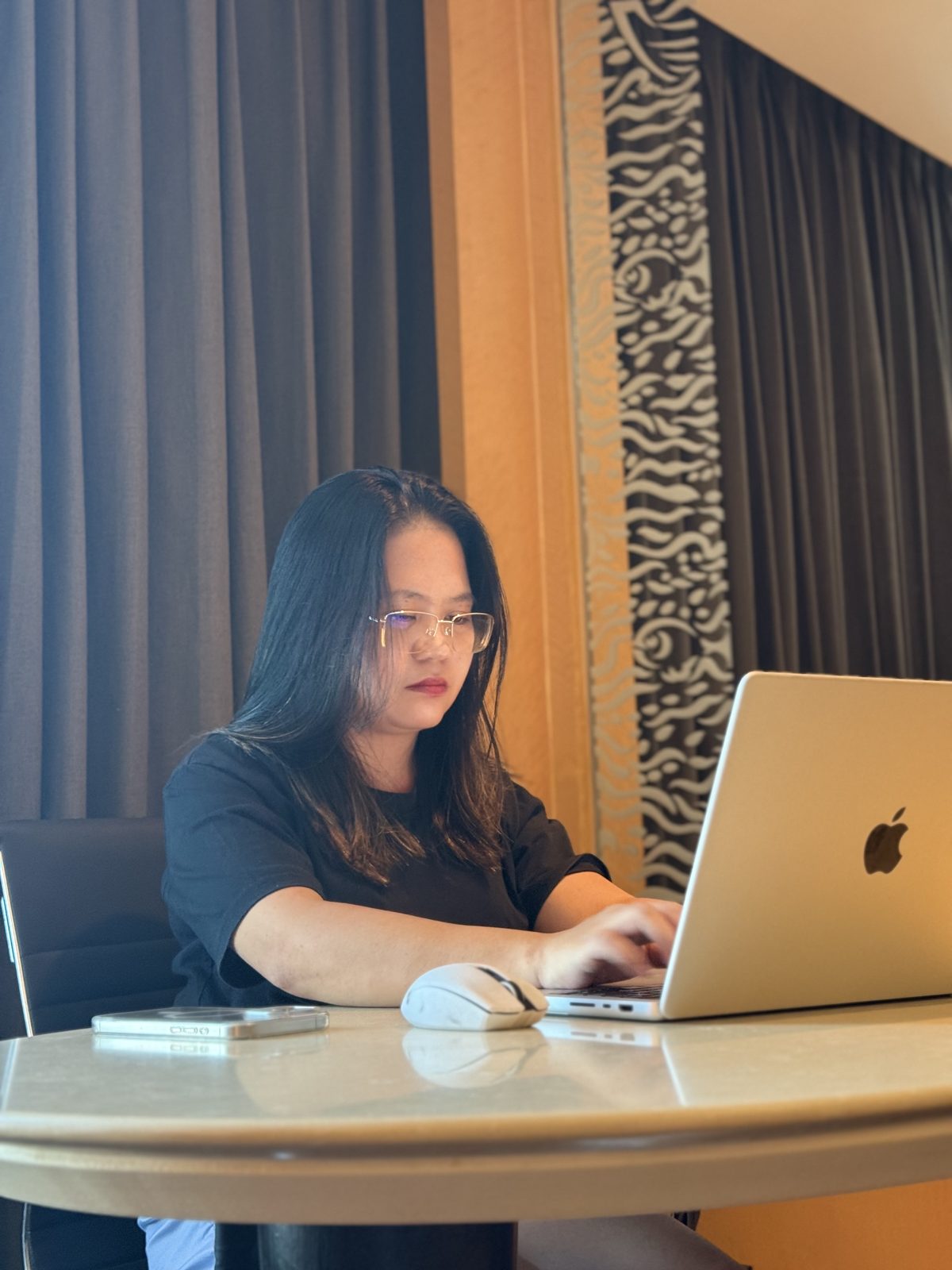
I have been using AI since ChatGPT first came out. One task I automate in my work as an operations manager in an agency is sending clients reminders about their subscription renewals.
We work with hundreds of clients. Checking their renewals manually can take hours, and keeping up with all the reminder deadlines would be harder if we handled everything manually.
Our setup combines Airtable, GPT, n8n and an email platform connected to n8n. We needed an automation that followed my client's particular process. The detailed process is private because it relates to the client's business model.
The automation helps us send renewal reminders without manually handling every reminder. It gives me more time for decision-making and conversations with clients about what they need.
I also use automation to organize information in our database. My own dashboard brings together information from platforms I use personally and at work, and gives me a quick briefing on what needs urgent attention for the day. This helps me save hours in my everyday work.
Using AI has not reduced my pay in this role. I do pay for an AI subscription, so there is a cost to using it. This is my experience in my own role. The research below shows why other workers may have different outcomes.
Before I let an automation run, I check its first results. I compare what it did with the process I intended and check whether it handled the information correctly. Once I am satisfied with those checks, I let it handle the repetitive work and make quick checks from time to time. So far, I have not noticed errors in those checks. I also watch for signs that the automation has stopped working.
AI sometimes forgets instructions, including my writing preferences. Keep your instructions available when reviewing the work. If the information, instructions or process changes, check that the automation still follows the updated process and produces the expected result.
What does current research tell us about AI and VA jobs?
Research has found fewer contracts in some freelance services and slower hiring in occupations with tasks that AI could affect. It has also found improvements in how much work people can complete with AI assistance. These findings come from different countries, occupations and workplaces.
An exposure estimate describes work that AI could affect. Employment studies examine changes that have already happened to workers, contracts or hours. What happens in a business also depends on whether it adopts the tools, what they cost and how reliably they work.
The International Labour Organization (ILO) published a Philippines research brief on February 5, 2026. It estimated that 27.7% of employment involved work that could be affected by generative AI, including tools that create text, images or code. Clerical work was particularly exposed.
The researchers compared an international assessment of job tasks with Philippine labor-force data from the first quarter of 2024. Their estimate does not count workers who have already lost their jobs or predict what will happen to freelance VAs. International job descriptions may also miss parts of the work people do locally. Read the ILO Philippines research.
Other studies have examined changes in work and employment:
- Online freelancing: A study published on September 24, 2024 found fewer contracts and lower earnings in services more affected by early generative AI releases. The researchers studied particular services on one online marketplace for freelance work. The findings provide evidence of changes there, while leaving the wider Filipino VA market uncertain. Read Hui, Reshef and Zhou's study.
- US employment: Stanford's August 12, 2026 revised paper found weaker employment among young workers in occupations that AI could affect, mainly because employers hired fewer people. The researchers describe these as early observations. They cannot prove that AI caused the changes. Employment records from the United States also offer limited guidance for an individual Filipino VA. Read Stanford's paper.
- Danish workplaces: A working paper shared in March 2026 found that employees' tasks had changed, while their average earnings and recorded working hours had no measurable change during the first two years after ChatGPT's launch. A working paper is a research report shared for review and discussion. The employment data end in December 2024. The findings cover employees in Denmark during a short period, so they give us limited information about the future of Filipino freelance work. Read Humlum and Vestergaard's paper.
There is also evidence of AI helping workers complete more work. A customer-support study published on February 4, 2025 involved 5,172 agents, most of whom were based in the Philippines. With AI assistance, the agents resolved 15% more customer issues per hour on average. They could edit or ignore the suggestions, and the results varied between workers.
This study measured work within one company's customer-support process. It did not measure changes in freelance VA income or whether freelance VAs kept their clients. You can read Generative AI at Work in the journal or its open author manuscript.
My practical recommendation is to prepare for changing tasks while keeping your career decisions grounded in the work you can actually do. Learning AI is useful when it helps you deliver a service responsibly. It cannot control a client's budget or guarantee that the role continues.
What are Filipino virtual assistants worried about?
In public r/buhaydigital discussions, readers asked whether AI would replace VA work on May 24, 2026, and whether to offer a different type of service after a client discussed automation on March 29, 2026.
These posts reflect individual experiences. In the second post, the client reportedly planned to automate work, but we do not know whether the replacement happened. People chose to share their own experiences in these discussions. Their posts help explain the concerns, while giving us little information about how common those experiences are.
If you have the same worry, ask what is changing in your actual work. Is the client using AI to write drafts, changing the entire work process, cutting costs or asking you to take on different responsibilities? Understanding the change will help you decide what to do next.
Which virtual assistant tasks are easier to automate?
Tasks are easier to automate when the information is already digital, the instructions are clear and the same rules apply each time. You also need a way to check whether the result is correct. Look at these features in a task before deciding which tool to use.
These examples show parts of a task to examine when planning how the work will be done.
- Recurring reports: AI could organize the updates you provide into a draft. You would check whether the progress, approvals and unanswered questions match the original records.
- Routine writing: AI could prepare a first draft from approved instructions. You would check its facts, intended audience, tone and any promises it makes.
- Research: AI could pull details from sources you provide. You would open the original sources, check their dates and explain any information that conflicts.
- Data cleanup: A tool could flag records that look inconsistent. You would check those records against the agreed rules and keep uncertain information until someone can confirm it.
- Reminders: Ordinary automation could send a reminder based on a recorded date. You would confirm the date, the recipient, the rule for marking the task complete and permission to send the message.
For repeatable tasks, compare AI with a spreadsheet formula, saved template or calendar reminder. A simpler tool may be easier to verify.
You need judgment when information is missing or a mistake could affect the client. This includes understanding why the task is needed, asking clear questions, checking unusual cases and taking responsibility for what you send. For example, before sending a project update, you need to confirm the approved deadline and check whether the team can meet any promise in the message.
Parts of those activities can also be automated as the tools develop. Keep learning how the work is done, how to handle unclear information and how to show the checks behind your final output.
Do I need to learn coding or n8n to start using AI as a VA?
You can start by practicing tasks such as drafting a customer reply, checking spreadsheet records or preparing a daily briefing. Use invented information and learn how to check the finished work.
My own examples use connected tools because they support particular processes. A beginner can start with a task, the tools already available and clear instructions. For example, you can prepare the appointment reply above in a notes app and compare it with the calendar information and approval rules.
Before learning more advanced automation, understand what starts the task, what information it needs, which decisions require approval and what should happen when something goes wrong. Then choose a tool that fits the work you want to handle.
What skills should Filipino VAs learn now?
Choose a skill that helps you complete a task more accurately or handle a problem you currently find difficult. These examples connect the work, the skill and a sample you can prepare.
| Task you want to handle | Skill to practice | Sample that shows what you did |
|---|---|---|
| Preparing weekly reports | Check the original updates and explain what is finished, what needs attention and what still needs approval. | Prepare a report from invented project notes. Include the notes and explain how you checked each update. |
| Replying to customer emails | Follow the client's instructions, check the facts and recognize when a decision needs approval. | Create three practice customer requests and checked replies. Explain what you would send and which action would wait for approval. |
| Organizing spreadsheet records | Use filters to find inconsistent entries and check corrections against agreed rules. | Show the original and corrected versions of an invented spreadsheet. Explain each correction and leave uncertain entries for review. |
| Setting up a repeating process | Explain what starts the process, what information it needs and what should happen when information is missing or a step fails. | Write the steps for a practice process. Include one example with missing information and explain how the process would pause for review. |
| Preparing a daily briefing | Organize records and explain why each item needs attention. Check dates and the current status before calling something urgent. | Prepare a briefing from invented records. Include the records, explain which items need action and show which details still need confirmation. |
When I review someone's work, I want to understand the specific skill they used, the steps they followed, the tools or functions involved and the result they produced. I also want to know which parts they did themselves. For AI-assisted work, I check whether it follows the intended process and handles the information accurately. Include the instructions, original information and final output in your sample so a reviewer can check those details.
For more detail, use the guides on choosing a specific VA service and presenting labeled portfolio samples. Start with a task you understand well enough to check. Add technical tools when the work calls for them.
How can I decide which task to practice first?
Use the worksheet below to understand one task and choose a skill to practice. Write your answers in a note or document. Start with one task, then repeat the exercise for two others. Keep private client information out of any worksheet you share.
- Task and frequency: What do I do, and how often?
- Useful output and sources: What should the client receive? Which records or instructions establish what is correct?
- Data and permission: What is sensitive? Which exact AI tool, workspace, task and data are approved?
- Repeatable part: Which part follows the same rules each time? What could AI draft, extract or organize? Would a spreadsheet formula or a template be easier to check?
- Unclear information and decisions: What might be missing or conflicting? Which decisions can I make, and which need approval from someone else?
- Error and verification: What could go wrong? How will I compare the output with the source before delivery?
- Skill to practice: Which specific skill would help me handle this task better?
- Sample and next action: What sample can I save to show my work and the checks I performed? What will I do next, and when?
After answering the questions, choose whether to practice with sample data, ask for permission, test with review or keep the task manual. Write down the action you chose and when you will do it.
Completed worksheet: an appointment change
Example: Here is how you could fill in the worksheet using the appointment request above.
- Task: I handle customer requests to change appointments when they arrive.
- Output and sources: The customer receives an accurate reply, and the booking is updated only after the required agreement and approval. I use the request, current booking, calendar and client's instructions.
- Data and permission: I use invented information for practice. Real customer messages and calendar details would require the client's permission before I enter them into an AI tool.
- Repeatable part: AI could draft the reply. I could also use a message template.
- Unclear information and decisions: The requested 4 p.m. slot is occupied. The manager must approve a change before I confirm it or update the booking. I ask whether I may offer the available 5 p.m. slot, then check whether it works for the customer.
- Possible error and check: A reply could confirm an occupied time or an unapproved change. I compare the date, time and time zone with the calendar and instructions, then check that the required approval and customer agreement are recorded.
- Skill: I practice writing a clear reply and following an appointment change through to confirmation.
- Sample and next action: I save the invented request, instructions, draft, checks and final reply. In the next session, I remove the time zone from the instructions and practice asking which time zone the customer means before comparing times.
For another practice project, the companion task-and-skills worksheet includes a complete sample daily briefing, its original records and the checks behind the finished version.
Can I use AI with my client's information?
Ask for the client's approval before putting their information into an AI tool. Agree on the tool and account you will use, the tasks it can help with, the information you may enter, who can access it and how long it will be stored. Also agree on who will check the work and any requirement to explain that AI was used. You can read the guide on checking client-data permission for more detail.
Removing someone's name may still leave private business information in the text. When you are practicing, use completely invented information so you can learn without uploading client records.
Check the tool's settings for model training, saved conversations and account access. A model-training setting concerns whether your conversations may be used to improve the AI system. Also check how conversations are stored and who can access them. Turning off model training still leaves client permission and those other settings to check. OpenAI explains its own controls in the data-controls guidance.
How can I practice these skills for free over 30 days?
You can practice one task, learn a related skill and create a sample that shows how you checked your work. The suggested schedule below uses five 25-35-minute sessions per week, with two days for rest or catching up. Extend the schedule if you need more time.
Use a notes app, a spreadsheet you already have and, if you want to try AI, a free tool that can work with text. ChatGPT's official FAQ, checked on October 8, 2026, confirms that it has a free tier. Its features and limits can change.
You can follow this plan using short pieces of invented text. You do not need a paid AI subscription, file uploads or access to a client's accounts. You will still need your existing device and internet connection.
Days 1-7: Understand one task
List three tasks and complete the worksheet for one of them. If you have no client yet, choose a task from a dated public client listing or use the sample appointment request above. Write down what the finished work should include and which decisions need approval. Complete the task yourself first, then check it against the original information.
Save: Keep your completed worksheet, source notes and the version you prepared and checked yourself.
Days 8-14: Let AI help with one part
Practice with invented information. Ask the AI tool to prepare a draft, compare every fact with your original notes and record any corrections. If you find a problem, change one instruction to address it. Compare both the accuracy of the work and the total time you spend preparing, reviewing and correcting it.
You can try this optional prompt with the appointment example above:
Use only the invented customer request, booking, calendar and instructions below. Draft a reply acknowledging the request and explaining that the new time still needs confirmation. List the calendar and time zone checks I need to make and the approval I need before changing the booking. If a detail is missing, write a question asking for it. Leave the current booking unchanged. Here is the sample information: [paste the example table].
If AI is unavailable, make the same draft manually. Either way, review the work before delivery.
Save: Keep the instructions you gave the tool, its original response, your corrections and the final checked version. If the response is already correct, change one source note and check whether the tool handles that change properly.
Days 15-21: Practice a related skill
Choose one problem you identified in the worksheet. Learn a function or method that could help you solve it, using instructions from the tool's official website. Try it on your sample. Then remove a detail or add an update that conflicts with an earlier note. Explain which problems you can resolve yourself and which decisions need the client's approval.
Save: Keep the changed source notes, corrected work and a short explanation of how you handled the unusual situation.
Days 22-28: Make your contribution visible
Prepare one sample and label it Practice project. Include the instructions, original information, finished work and the checks you performed. Explain which parts AI helped with and which parts you handled yourself.
Write a service description that explains what information you need, what you will provide, what is outside the service and which decisions need the client's approval. If someone you trust is available, ask them to compare your sample with the original instructions.
Save: Keep your labeled practice sample and a service description with clear responsibilities. Use the AI tools guide if you need help choosing a tool for the task.
Days 29-30: Check your readiness and choose your next step
Review your sample using the questions below. If you are a beginner, use it to decide whether to keep practicing or present an accurate sample when approaching clients. If you are already working as a VA, use it to prepare a small trial that fits the work your client has agreed to. Confirm the permissions, checks and approval requirements before using real client information.
How do I know I am ready to offer this service?
Use your practice sample to answer these questions:
- Can I explain my work? Describe how you produced the final version, which parts AI helped with and which parts you handled yourself.
- Can I verify it? Compare the finished work with the original information and explain any corrections.
- Can I handle unclear information? Practice with a missing detail and two records that disagree. Show what you would ask before continuing.
- Do I understand approval? Identify which actions you may take yourself and which must wait for the client's decision.
- Is my sample accurate? Label invented work as a practice project and describe only the skills and results you can demonstrate.
If one answer is unclear, choose that skill for another practice session. For example, if you cannot resolve conflicting dates, practice checking the records and writing a question that asks the responsible person to confirm the deadline.
These checks can help you decide whether to present a sample or propose a small trial. Real client work still needs agreed instructions, permission and a review process. The checks cannot predict whether a client will hire you or keep the service.
Choose keep practicing, propose a reviewed trial, or keep this task manual. Write down your next action and when you will do it.
What should I do if my client wants to automate my work?
Ask the client to explain which tasks will change, when the change will start and who will check the work produced by the tools. Confirm whether your responsibilities, working hours or pay will change. Get approval before uploading the client's records or connecting their systems for a demonstration.
You can adapt this message to your situation:
Can we review which tasks you plan to automate and what you would still like me to handle? I can help check the results, follow up on missing information and handle issues that need your decision. Please also confirm whether my responsibilities, working hours or pay will change.
Suggest only responsibilities you can carry out and checks that fit the client's process.
If the client has already reduced or ended the work, update your service description around skills you can demonstrate and continue approaching clients. Keep private client information out of your samples. You can also learn a related service, but check what the work actually requires before spending money on training.
Should I change my VA niche because of AI?
Review the actual work you do before deciding to change your niche. Your niche is the type of service or client group you focus on. If you want to move into another area, look at the work clients request, the skills it requires and whether you can practice those skills. Choose a service you can demonstrate through a checked sample. A client's budget and priorities will also affect the work available.
Optional help with your portfolio and client setup
If your next step is presenting a service or preparing client materials, my ₱299 VA Starter Kit includes portfolio and proposal templates, a rate calculator, a client outreach tracker, and templates for starting work with a new client and preparing reports. You work through the material on your own. The kit includes no AI training course and cannot guarantee clients, income or job security.
You can complete the worksheet and learning plan without buying it. Start by mapping one task and making one checked sample.
Free practice downloads
Sources
Sources checked October 8, 2026. The research section above explains the scope and limitations. Reader discussions are individual accounts.
- ILO Philippines brief. February 5, 2026.
- Hui, Reshef and Zhou, Organization Science. Published online September 24, 2024.
- Stanford, Canaries in the Coal Mine. Revised August 12, 2026.
- Humlum and Vestergaard working paper. March 13, 2026 version.
- Generative AI at Work, Quarterly Journal of Economics. February 4, 2025.
- Generative AI at Work, open author manuscript. Version 2, November 6, 2024.
- Reader discussion: Takot ba kayo sa AI?. May 24, 2026; individual accounts.
- Reader discussion: About to be replaced by AI. March 29, 2026; individual account.
- ChatGPT Free Tier FAQ. Current vendor guidance; checked October 8, 2026.
- ChatGPT data controls. Current vendor guidance; checked October 8, 2026.